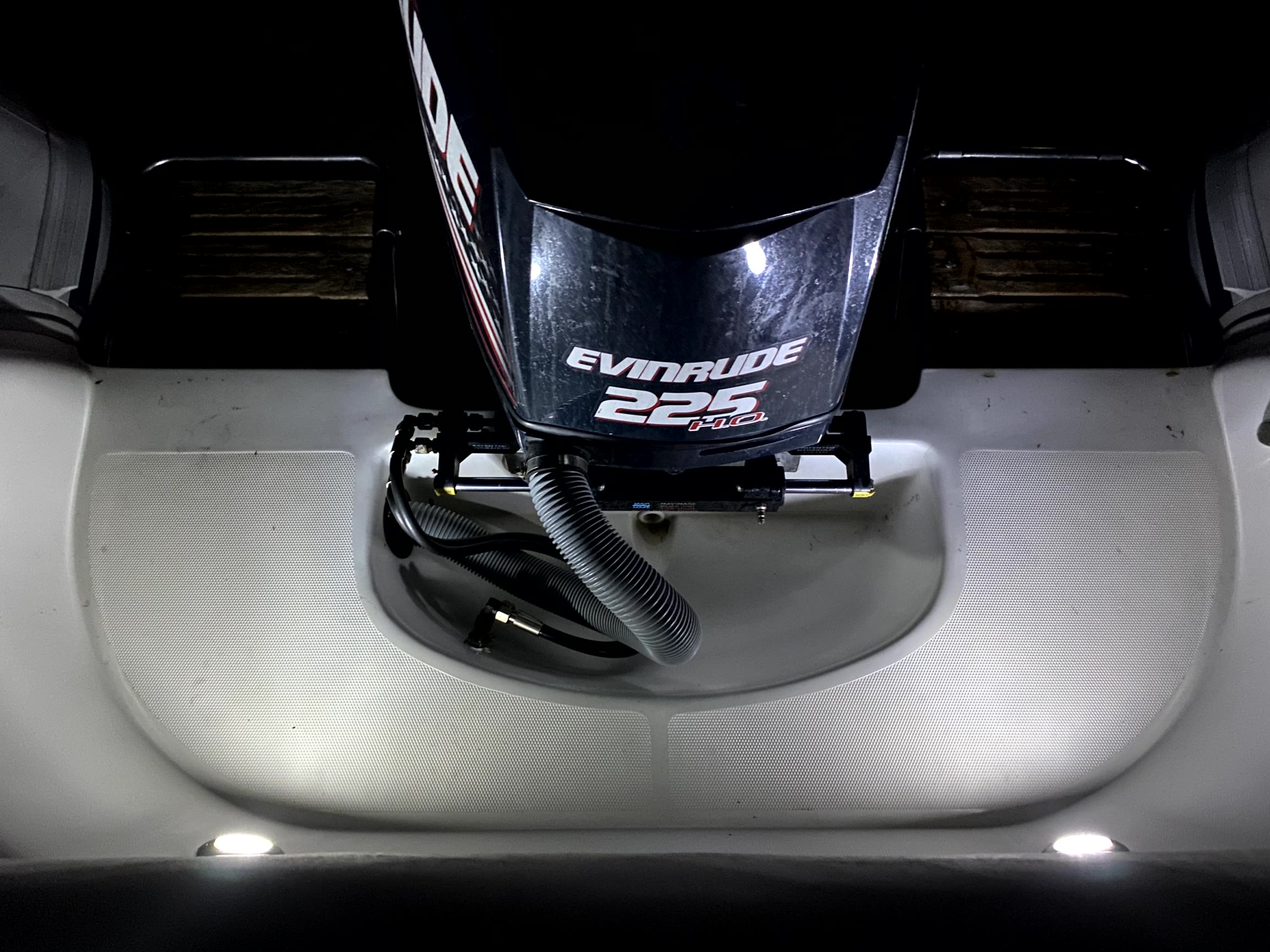
2. Engine and Drive System
What you don’t want is to have issue next year, when you are going to launch the boat and find small annoying issues.. Big D® follows up basic procedures which grant long life to your engine and here I explain them to you:
- Flush the Engine
Run fresh water through the engine’s cooling system to remove salt and other debris. This step is particularly important if the boat has been used in saltwater, as it helps to prevent corrosion and buildup.
- Change Oil and Filter
At the end of the season, it’s best to change the engine oil and replace the oil filter. Old oil can contain contaminants that might cause engine damage over the winter months.
- Fuel System Care
Add a fuel stabiliser to the fuel tank to keep the fuel fresh over the winter and prevent degradation.
Run the engine for a few minutes to ensure the stabilizer circulates through the system.
- Propeller Check
Inspect the propeller and lower unit for damage.
Clean and lubricate the propeller shaft to prevent rust and corrosion.
- Grease Moving Parts
Grease the steering system, throttle controls, and any other moving parts to prevent them from seizing up over the off-season.

3. Battery and Electrical Systems
Corrosion is one of the key aspect of the winter period, following this procedure you will make sure everything will be spot on for next year!
- Battery Care (if not under charge)
Disconnect the battery and remove it from the boat to prevent it from draining or being damaged during storage.
Clean the terminals and apply dielectric grease to protect against corrosion. Store the battery in a cool, dry place, and check the charge periodically to maintain it.
- Battery Charger
If your RHIB is equipped with a battery charger, make sure it is turned off and disconnected from the power source.
Inspect the charger and wiring for any signs of wear or damage.
- Electronics Protection
Remove any portable electronic devices (like GPS units or sound systems) and store them indoors.
For fixed electronics, use waterproof covers or protective casings to shield them from the elements.
Ensure all switches are turned off and the wiring is inspected for wear.
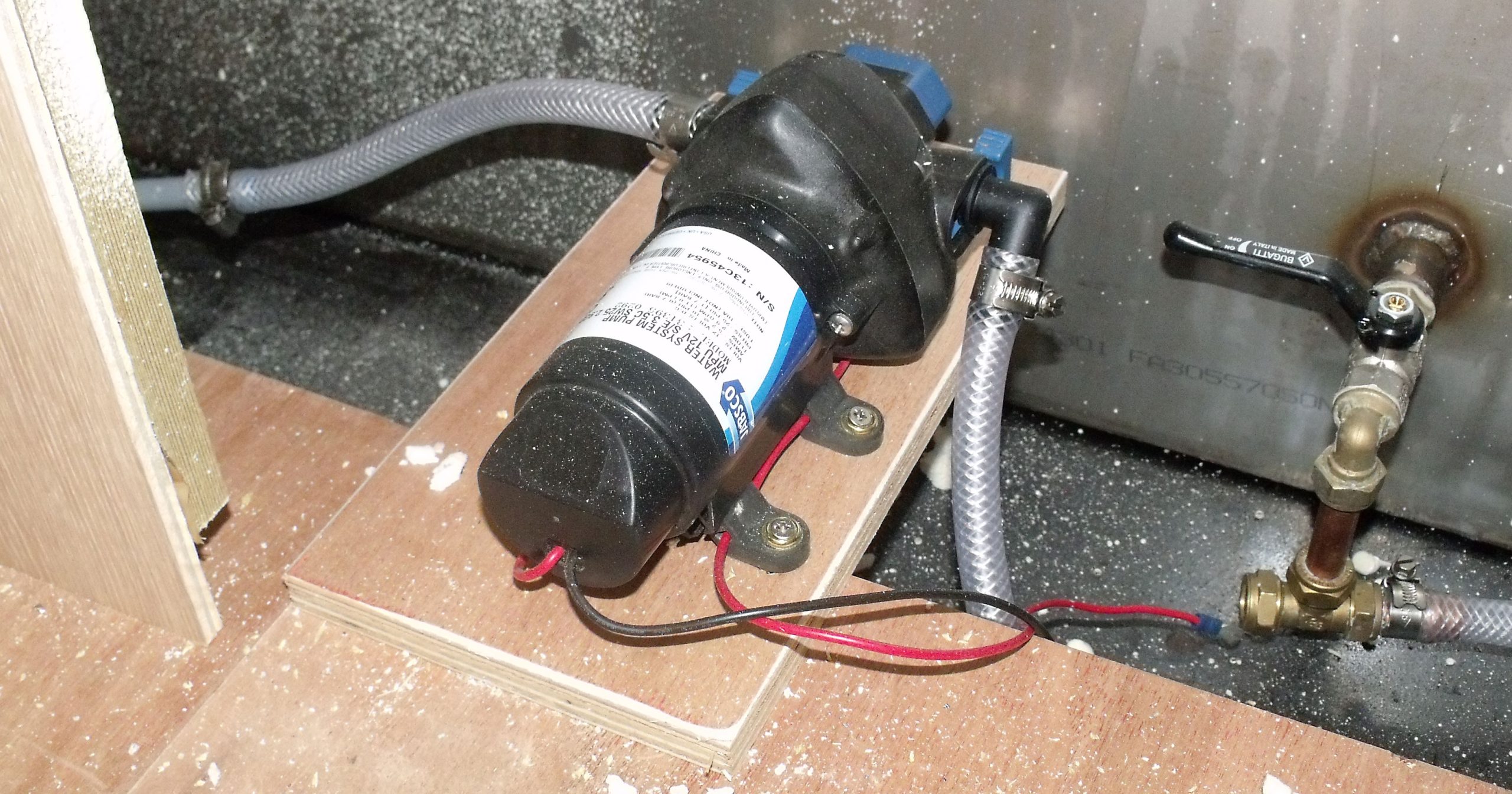
4. Water system and Grey/Black Water Tanks
- Drain the System
Drain the entire freshwater system, including sinks, showers, and any tanks.
This prevents stagnant water from accumulating and reduces the risk of mold and bacteria growth.
- Pump Care
Inspect any pumps, such as bilge pumps or freshwater pumps, for proper function.
Clean and clear any filters to ensure they’re ready to go next season.
- Empty the Tanks
Completely empty both the grey and black water tanks at a marina pump-out station or by using a portable pump.
This prevents odors and bacterial buildup during storage.
- Flush the Tanks
After emptying, flush both the grey and black water systems with fresh water to clear out any remaining waste and debris.
- Ventilation and Deodorizing
Ensure the ventilation systems for both tanks are clear and functional.
Consider using a tank deodorizer or sanitizer to prevent unpleasant smells from building up over time.
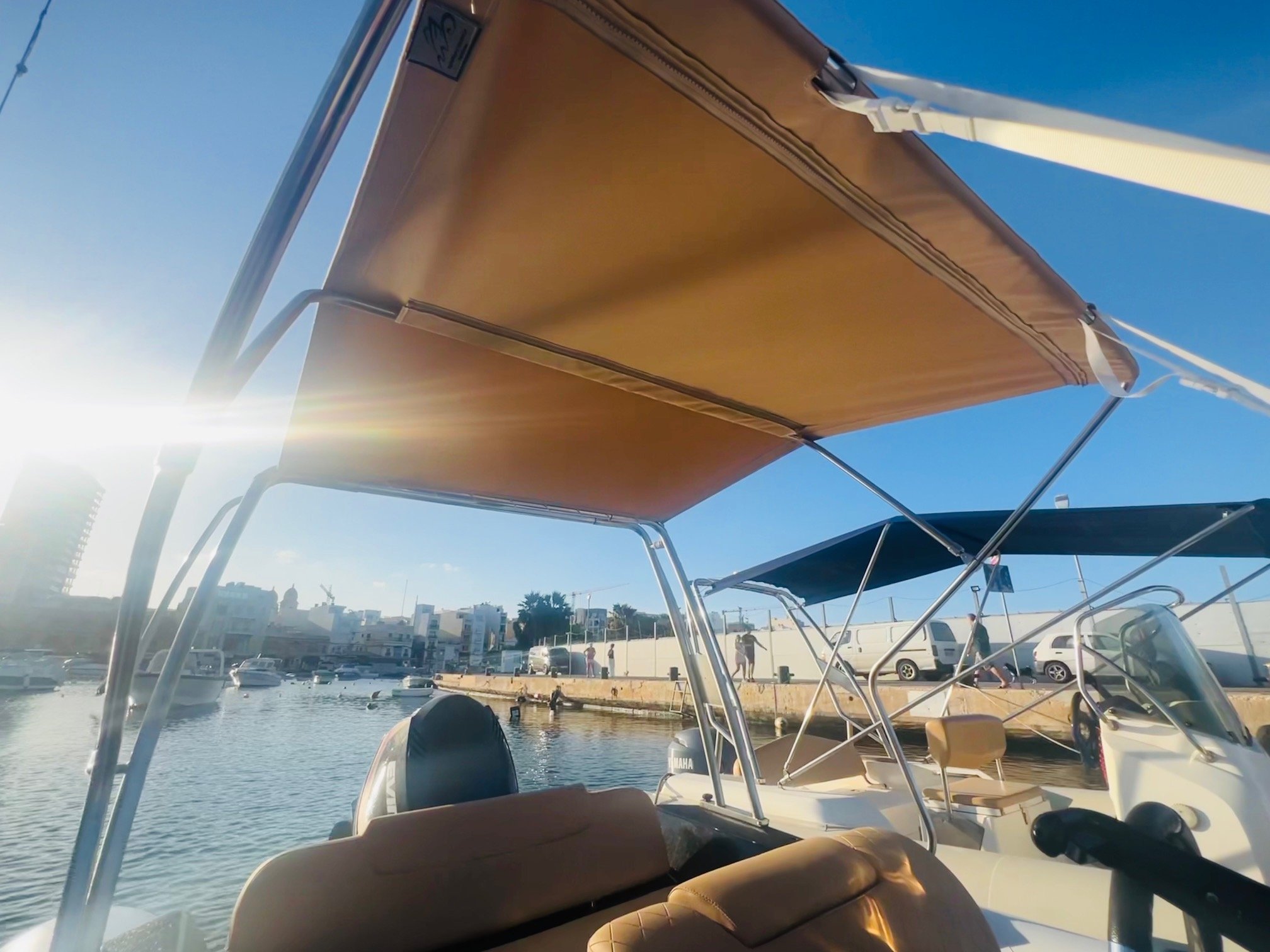
6. Canvas, Upholstery, and Other Soft Materials
- Clean and Dry
Thoroughly clean all canvas (like Bimini tops) and upholstery before storage.
Mildew and mold can quickly develop on damp materials, so make sure everything is completely dry before covering or storing.
Remove cushions and store them indoors if possible to further protect them from moisture.
- Store Indoors
If possible, store canvas and soft materials in a dry, indoor space to extend their lifespan and keep them in good condition for the next season.

7. Outdoor Storage for Your RHIB
Despite is always better to store under a shed or a garage, storing outdoor it is possible EVEN ON A YACHT! It is important carefully following these procedures.
- Choose a Suitable Location
If storing the boat outdoors, choose a location that is well-drained and protected from direct sunlight.
Elevating the boat on a trailer or stand will help prevent water from pooling around the hull, which can cause damage over time.
- Invest in a High-Quality Cover
Use a waterproof, UV-resistant cover specifically designed for RHIBs.
Make sure it fits snugly around the inflatable tubes and doesn’t allow water or debris to accumulate.
Use support poles or a frame under the cover to create a tent-like structure that promotes airflow and prevents sagging.
- Check the Boat Periodically
Even though Malta’s winters are mild, it’s important to check the boat every few weeks to ensure the cover is still secure, no water has pooled inside, and no animals or debris have entered the boat.
Conclusion
Properly maintaining and storing your larger RHIB at the end of the summer season is essential for prolonging its life and ensuring it’s ready for action next year.
By cleaning and inspecting the hull, protecting the inflatable tubes, maintaining the engine and electrical systems, and carefully managing the grey and black water tanks, you can prevent costly damage and deterioration.
Storing the boat outdoors requires extra precautions, but with the right cover and location, you can protect it from Malta’s elements.
Regular checks during the off-season will also ensure that any issues are caught early, keeping your RHIB in top condition for the next boating season.